Scroll through workout content for ten minutes and you'll see at least three "reels" that make big promises: "20-minute full body burn," "abs in 2 weeks," "this one exercise fixed my shoulders." Some of these are genuinely well-designed. Many are cut for engagement, not effectiveness. The problem most people run into isn't a shortage of workout reels — it's a shortage of ways to tell which ones are worth building a routine around.
What Separates a Good Workout Reel From Content Filler
A reel worth saving usually has a few tells: the exercises are named clearly (not just shown), a rep range or time is mentioned, the movements target a coherent goal (not a random grab-bag), and the pacing is realistic for someone actually training, not just filming. Reels that cut every two seconds between exercises with no indication of sets or rest are usually built for watch-time, not for someone to actually follow at the gym.
Before saving anything, ask three questions: Does it name a clear goal (strength, hypertrophy, conditioning)? Does it specify or imply sets/reps? Is the creator someone whose form and programming you'd trust for more than one video?
Where to Actually Find Good Workout Content
- Certified coaches and trainers who post full sessions, not just highlight clips
- Creators who show progression over time — the same lifts getting heavier across their own posts, which signals real programming behind the content
- Accounts that explain the "why" behind exercise choices, not just the "what"
- Search by muscle group or goal instead of browsing your algorithm feed, which tends to serve whatever's trending rather than what fits your plan
How to Build a Routine From a Handful of Top Reels
Once you've identified 6-10 reels you genuinely trust, the process of turning them into a routine looks like this:
- Sort them into day types: push, pull, legs, full body, or conditioning.
- Pick 3-5 that cover your training days for the week — don't try to use all of them at once.
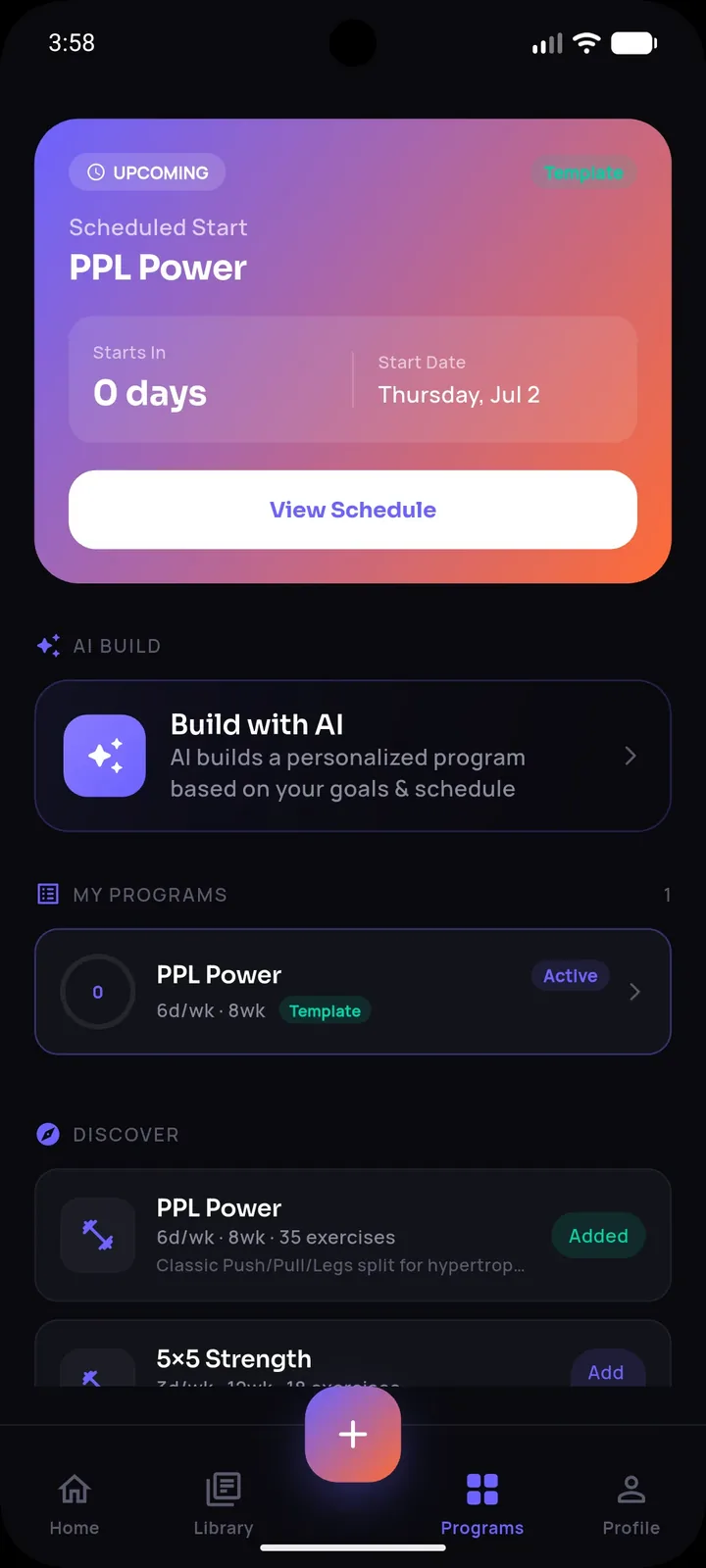
- Extract exercises, sets, and reps from each one (manually or with an AI import tool).
- Log your first attempt's actual numbers as a baseline.
- Rotate the remaining reels in as variety every few weeks, once the current ones stop feeling challenging.
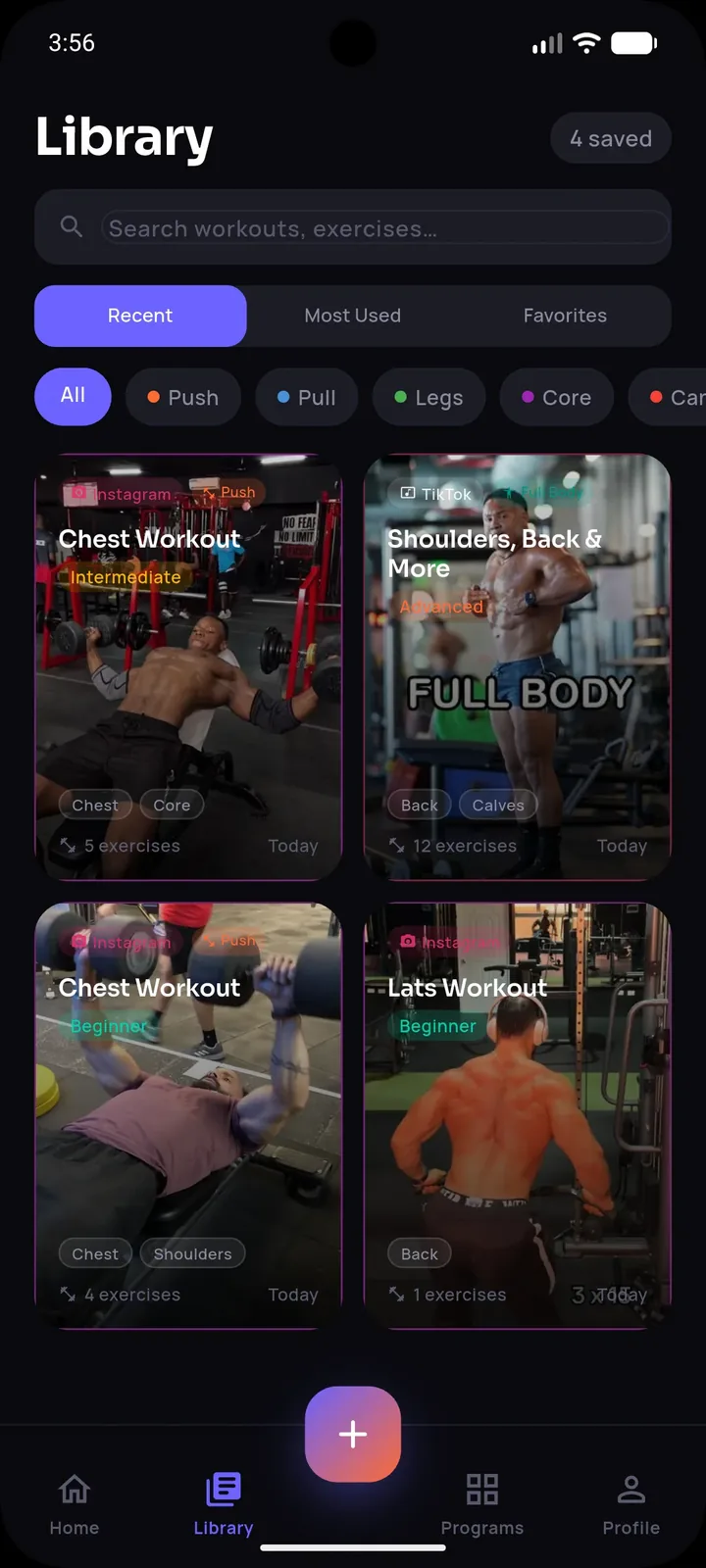
Stop losing workouts in your camera roll.
SetForge turns saved Instagram & TikTok workout videos into structured, trackable training programs — automatically.
The Filtering Problem AI Solves
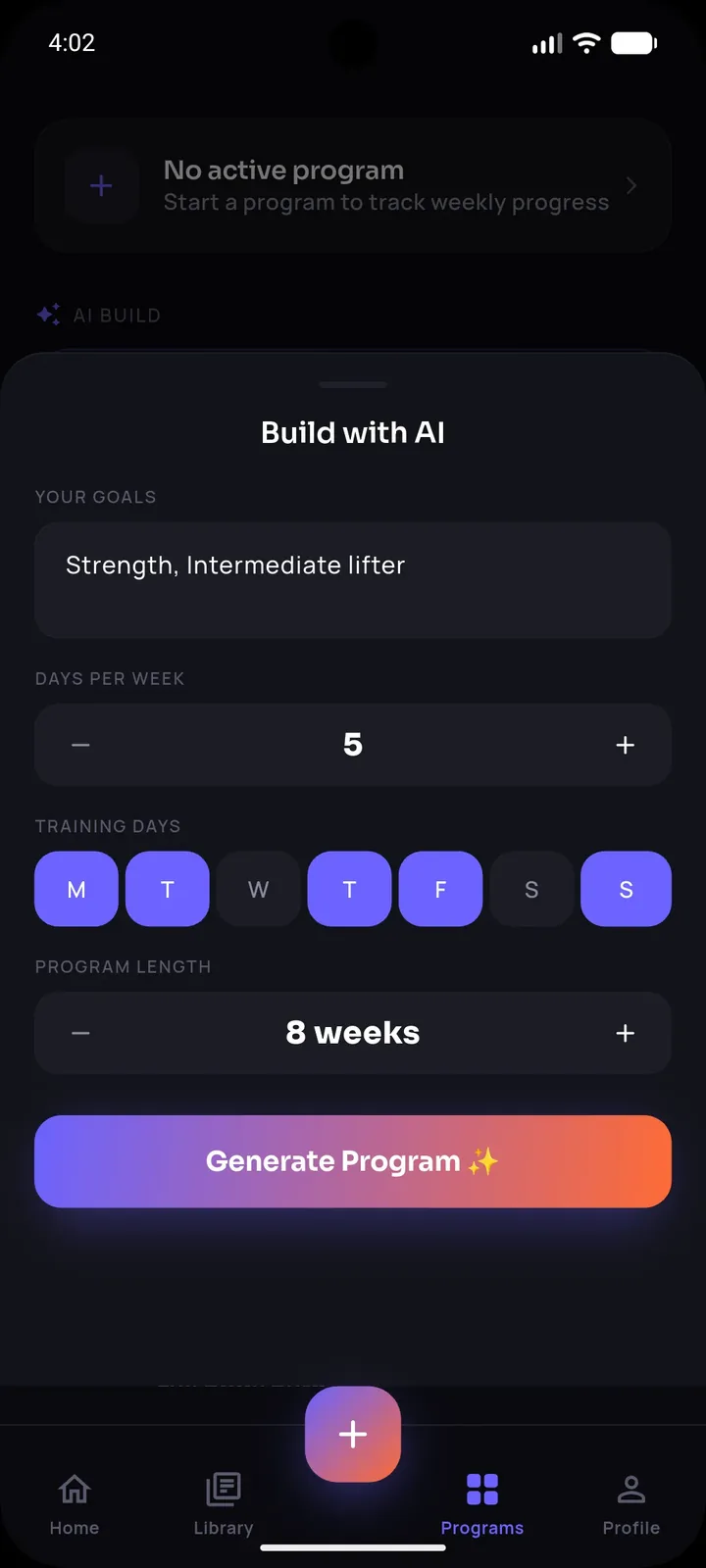
The hardest part of this process by hand is step 3 — accurately transcribing exercises, sets, and reps from a fast-cut video takes real time, and doing it for even five reels a week adds up fast. SetForge removes that bottleneck: share any saved Instagram or TikTok reel into the app and its AI extracts the exercises, sets, reps, and rest time automatically, so you go from "found a good reel" to "have a structured, trackable workout" in seconds instead of minutes of rewinding and pausing.
Once imported, every exercise is checked against SetForge's 500+ exercise library, which means you can also swap in a substitution if you don't have the exact equipment shown in the video — filtered by muscle group, so the swap still hits the same target area.
Avoiding the "Highlight Reel Only" Trap
One mistake people make when building routines from top reels: they only save the flashiest exercises (the ones that look impressive on camera) and end up with a program that's heavy on one or two muscle groups and light everywhere else. Before locking in your week, check your selected reels cover push, pull, legs, and core in reasonable balance — not just whatever looked coolest in your feed that week.
SetForge's Progress Analytics includes a muscle group breakdown of your training volume, which is a useful gut check here — if you notice three weeks of heavy chest volume and almost no back work, that's a sign your reel selection needs rebalancing, not just your motivation.
Sample Week Built From Top Reels
- Monday: Push-focused reel from a trusted strength coach, sets/reps extracted and logged
- Wednesday: Pull-focused reel, aiming to beat last week's logged numbers
- Friday: Leg-focused reel with substitutions for any equipment you don't have
- Saturday: A shorter conditioning reel for an efficient finisher session
Frequently Asked Questions
How many "top reels" do I actually need to build a full routine?
Six to ten well-chosen reels covering push, pull, legs, and conditioning is enough for a full month of training with rotation — you don't need hundreds saved.
What if a reel doesn't show rest periods?
Default to 60-90 seconds between sets for hypertrophy-focused work and 2-3 minutes for heavier strength work, then adjust based on how you feel during your first attempt.
Can I trust reels from accounts without visible certifications?
Credentials help, but consistency and clear explanations of exercise choice are often better signals than a certification badge alone — watch a few of their videos before trusting their programming.
Does SetForge extract exercises accurately from fast-cut reels?
SetForge's AI is built specifically to read workout videos — including quick-cut, short-form clips — and identify the exercises, sets, reps, and rest time shown or spoken in them.
How do I know if my reel-based routine is actually balanced?
SetForge's Progress Analytics shows a muscle group breakdown of your training volume, which makes an imbalance easy to spot instead of relying on a guess.
The Bottom Line
Not every viral workout reel deserves a place in your training week — but the good ones, filtered carefully and turned into structured, trackable workouts, absolutely do. Build a small trusted list, extract the real training data behind each clip, and let a tool like SetForge handle the tedious transcription so you can spend your time actually training instead of pausing and rewinding.