Social media has made workout inspiration more accessible than ever, but a specific set of recurring mistakes shows up again and again in how people actually use that content — mistakes that have less to do with the quality of the workouts themselves and more to do with how they're applied.
Mistake 1: Doing a Different Workout Every Session
Constant novelty feels engaging but prevents any single workout from being repeated enough times to actually track and improve on it. Progress requires some repetition — pick a handful of favorites and rotate through them deliberately rather than chasing the newest thing in your feed every session.
Mistake 2: Ignoring Muscle Group Balance
Algorithmic feeds tend to serve whatever's trending, which can quietly skew your workout selection toward certain muscle groups (often abs, glutes, or arms) while neglecting others entirely. Over weeks, this creates a genuinely imbalanced program without anyone intending it.
Mistake 3: Never Recording Actual Numbers
Watching a video and "doing the workout" without logging your actual weights, reps, or performance means there's no way to know if you're progressing — you're repeating the motions without building the data that would let you improve deliberately.
Mistake 4: Assuming Equipment You Don't Have
Many videos assume gym equipment that doesn't translate directly to a home setup, and skipping an exercise entirely (rather than substituting an equivalent) leaves gaps in the workout's intended muscle group coverage.
Stop losing workouts in your camera roll.
SetForge turns saved Instagram & TikTok workout videos into structured, trackable training programs — automatically.
Mistake 5: Trusting Every Creator Equally
Not every account posting workout content has the same level of expertise, and following advice from an untrustworthy source without any scrutiny can lead to poor exercise selection or unsafe form cues. A quick check of a creator's track record and consistency is worth the effort before building your training around their content.
How SetForge Helps Avoid These Mistakes
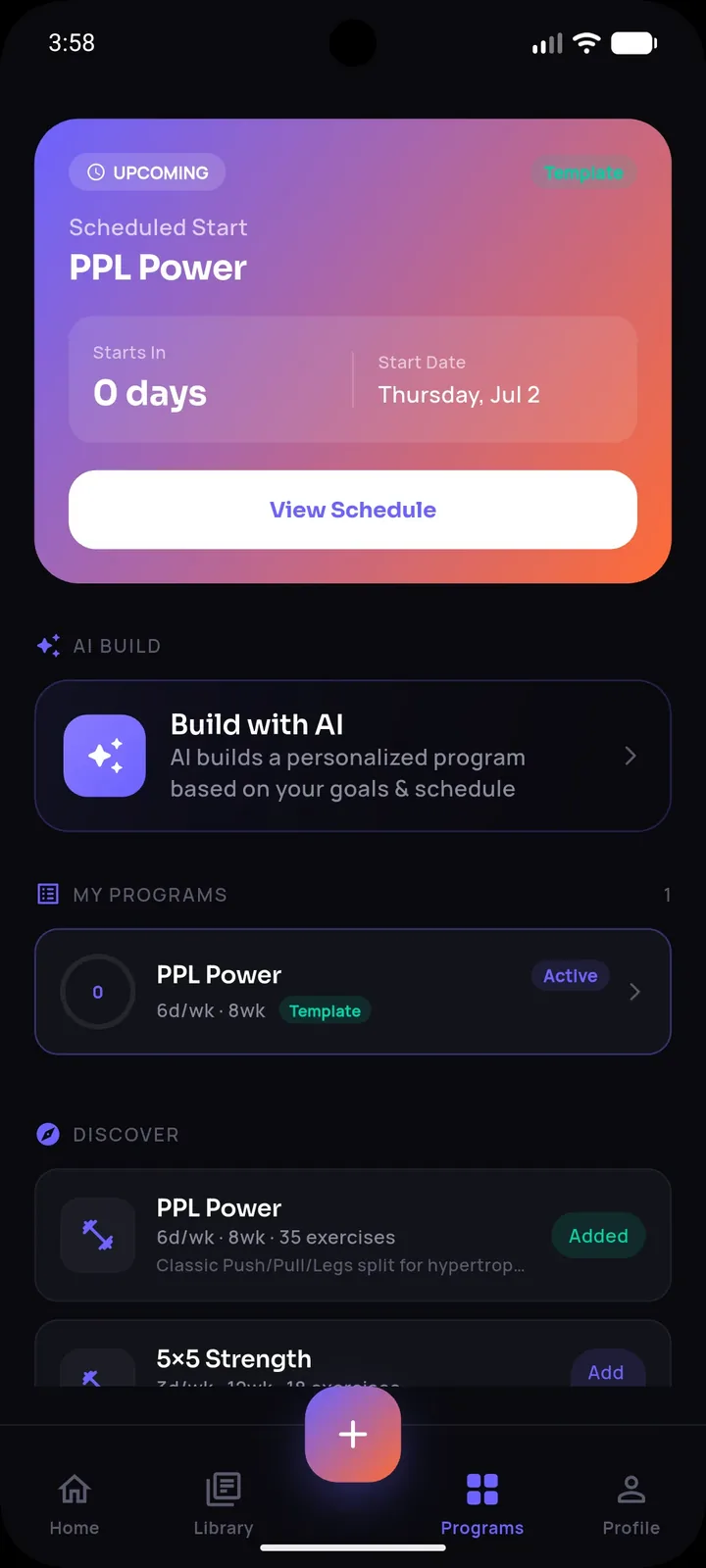
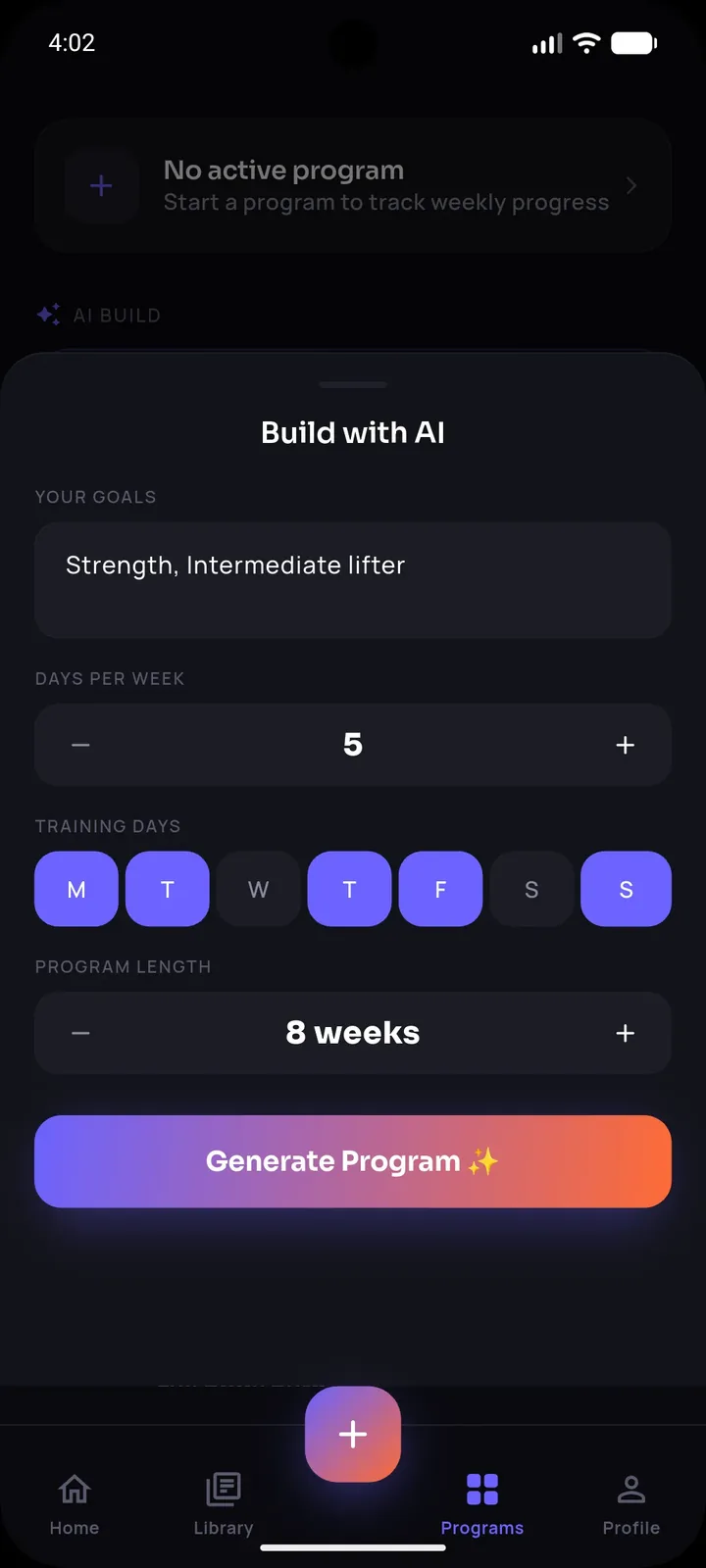
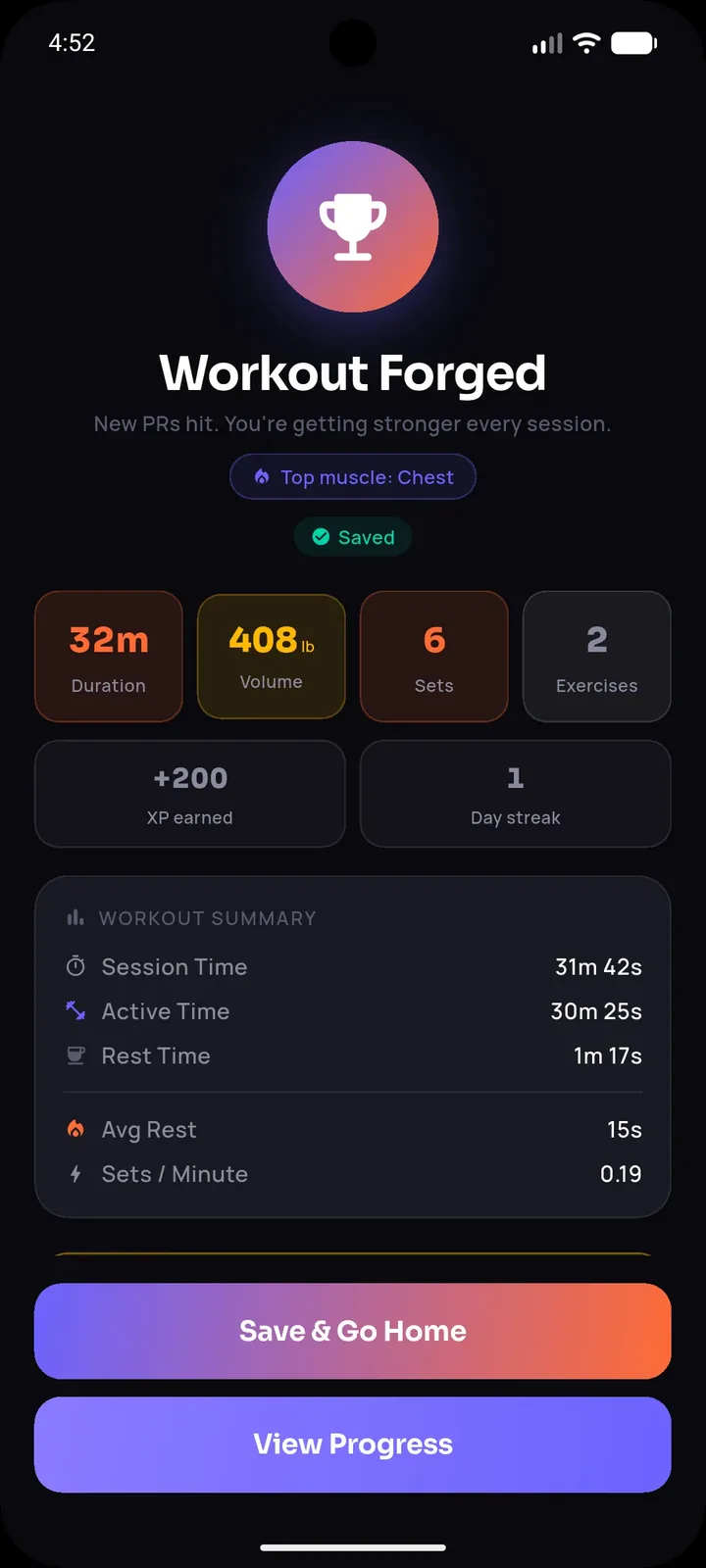
SetForge directly addresses several of these patterns. Importing a workout via AI extraction turns a saved video into a structured, repeatable entry in your workout history — rather than something you watch once and never revisit, addressing mistake #1. Its Progress Analytics includes a muscle group breakdown, making an imbalance from mistake #2 visible rather than invisible. Logging your actual numbers during Smart Gym Mode directly solves mistake #3, and the 500+ exercise library filterable by muscle group makes finding a substitution for missing equipment (mistake #4) fast rather than something you skip.
Building Better Habits Around Social Media Workout Content
- Curate before committing — save selectively rather than saving everything you scroll past
- Repeat your favorites deliberately instead of chasing constant novelty
- Log your real numbers every time, regardless of where the workout came from
- Check muscle group balance periodically rather than assuming your feed is giving you a well-rounded program
Frequently Asked Questions
Is it bad to try a lot of different workouts I find on social media?
Occasional variety is fine, but constantly switching prevents meaningful repetition and tracking — a smaller rotation of trusted favorites tends to produce better results.
How do I know if my social-media-sourced workouts are muscle-group balanced?
Check a tool like SetForge's Progress Analytics, which breaks down training volume by muscle group, rather than relying on a general impression.
What should I do if a video assumes equipment I don't have?
Substitute an equivalent exercise targeting the same muscle group rather than skipping it entirely — a filterable exercise library makes this quick.
Should I log numbers even for workouts I only plan to do once?
It's still useful — logging even a one-off workout builds a small record you might reference later, and it costs little extra effort if you're already tracking consistently.
How can I evaluate whether a fitness creator's content is trustworthy?
Look for consistent, sensible programming across multiple posts, clear explanations of exercise choices, and credentials or a track record that supports their advice.
The Bottom Line
Social media workouts can be genuinely valuable, but common mistakes — constant novelty, ignored muscle balance, unlogged numbers, and skipped substitutions — quietly limit the results people get from them. Curating carefully, repeating favorites deliberately, and logging real numbers turns social media content into an actual training system instead of a stream of one-off attempts.