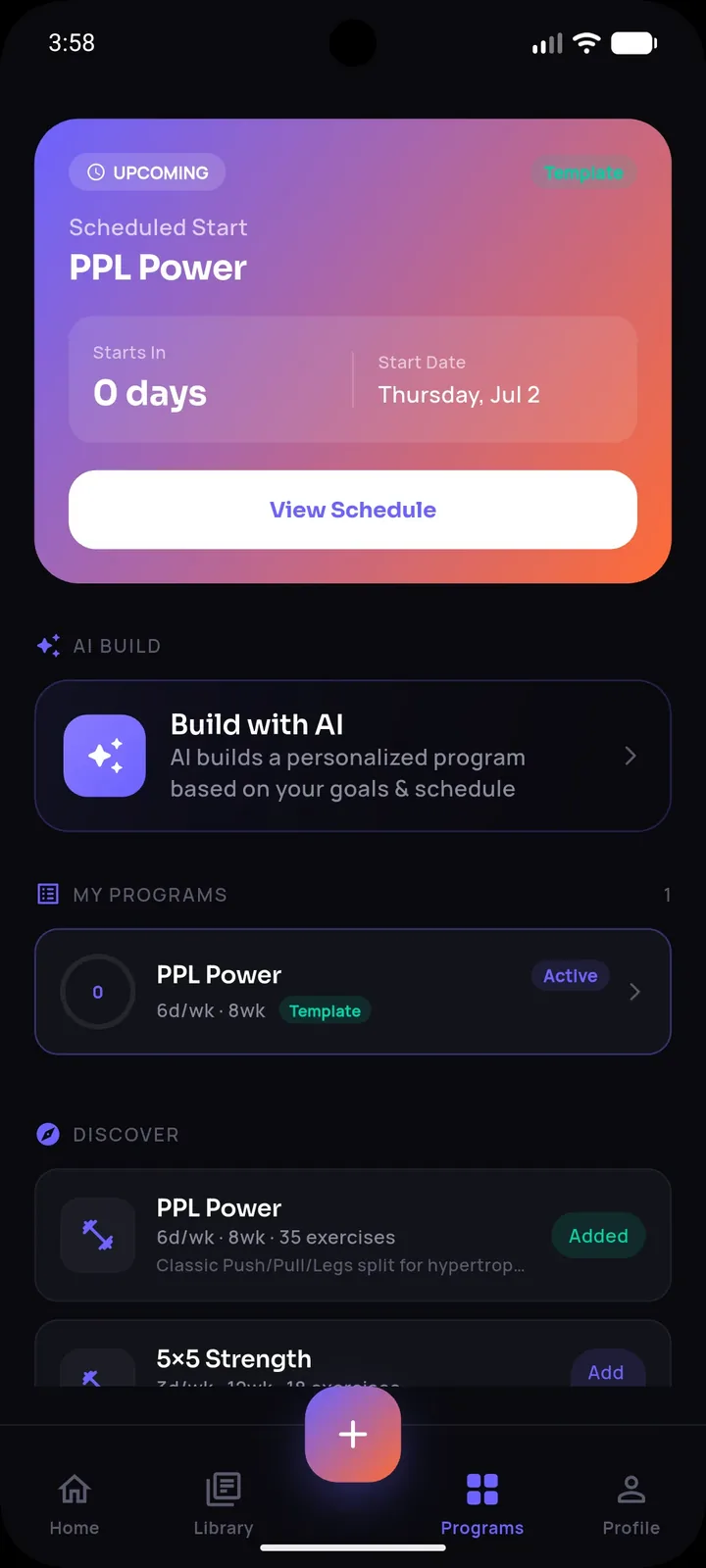
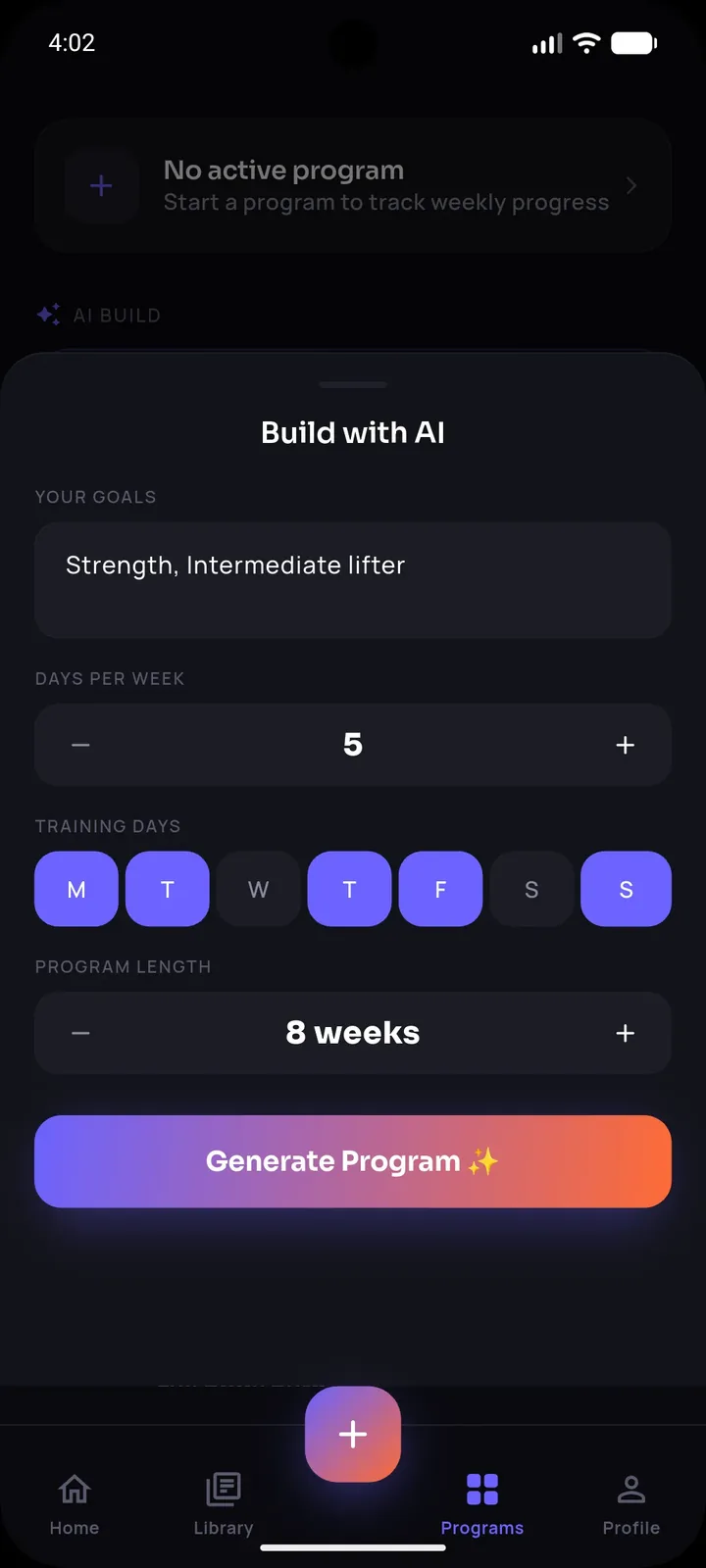
Training volume — the total number of hard sets per muscle group per week — is one of the most researched variables in strength training, and also one of the most commonly misapplied. People either chase huge volume assuming more is always better, or drastically undertrain a muscle group without realizing how little stimulus they're actually providing it.
What "Volume" Actually Means
Volume typically refers to the number of hard, effective sets performed for a given muscle group within a week — not just any set, but ones taken reasonably close to failure or with genuine effort. Ten sets of a movement done with poor effort and no proximity to failure provide far less actual stimulus than six sets done properly.
General Volume Guidelines by Muscle Group
- Maintenance: Roughly 6-10 sets per muscle group per week can maintain existing muscle and strength.
- Growth (hypertrophy): Research broadly supports somewhere around 10-20 hard sets per muscle group per week for most trained individuals, though this varies by person.
- Beginners: Often respond well to the lower end of this range or even less, since their overall capacity to recover and adapt is still developing.
- Advanced lifters: May need to push toward the higher end of the range, or use more advanced periodization, since they've adapted to lower volumes already.
These are broad starting points, not universal prescriptions — recovery capacity, sleep, stress, and nutrition all affect how much volume you can actually productively handle.
Why Tracking Volume Matters More Than Guessing
Most people have no idea how many actual hard sets they're doing per muscle group per week until they see it totaled up — and are often surprised to find a "back day" that felt thorough was actually light on real back volume once shared movements (like rows that also hit biceps) are properly categorized.
Stop losing workouts in your camera roll.
SetForge turns saved Instagram & TikTok workout videos into structured, trackable training programs — automatically.
How SetForge Makes Volume Visible
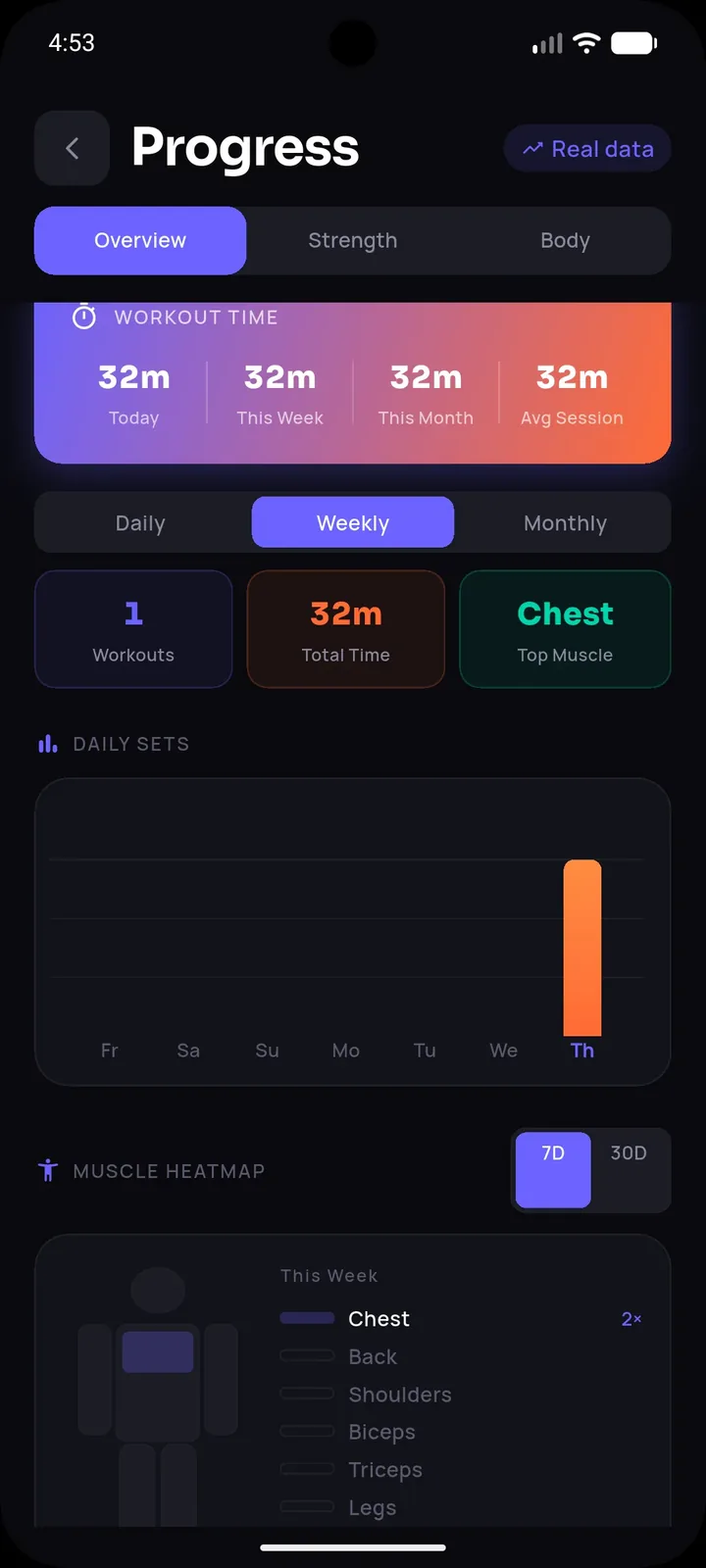
SetForge's Progress Analytics includes a muscle group breakdown of your training volume, calculated automatically from every logged set — whether from a manually built workout or one imported via AI from a saved video. This turns "am I training legs enough" from a guess into an actual number you can check against general guidelines and adjust if a muscle group is clearly under- or over-represented.
Signs Your Volume Might Be Off
- Too low: A muscle group hasn't progressed in strength or size despite months of otherwise consistent training
- Too high: Persistent excessive soreness, declining performance across sessions, or signs of accumulating fatigue without adequate recovery
- Imbalanced: Some muscle groups getting far more volume than others purely by accident of program design, not intention
Adjusting Volume Over Time
Volume isn't a number to set once and forget — it should adjust based on how you're actually responding. Gradually increasing volume over a training block (a common approach) can drive progress, followed by a deload to manage accumulated fatigue before building volume back up again in the next block.
Frequently Asked Questions
Is more training volume always better for muscle growth?
No — there's a point of diminishing returns and eventually a point where excess volume outpaces recovery capacity, reducing overall progress rather than improving it.
How many sets count as one "hard set" for volume purposes?
Generally a set taken reasonably close to failure with genuine effort — sets done far from failure or with poor form contribute less to effective training volume.
Does SetForge calculate volume automatically?
Yes — its Progress Analytics breaks down training volume by muscle group based on your logged sets, whether from manual or AI-imported workouts.
Should beginners aim for the same volume as advanced lifters?
No — beginners often respond well to lower volumes and should build up gradually rather than starting at the higher end of typical guidelines.
What should I do if I notice a muscle group is getting very little weekly volume?
Add a dedicated exercise or extra set for that muscle group in your next program revision, and monitor whether progress improves over the following weeks.
The Bottom Line
Training volume needs to be in a productive range — not so low that a muscle group barely gets stimulated, not so high it outpaces recovery. Tracking actual weekly volume per muscle group, rather than estimating from memory, is what makes it possible to adjust deliberately instead of guessing.