Waiting for a less busy season before getting serious about training is a trap almost everyone falls into at some point — and for most people, that less busy season never really arrives. The people who stay consistent long-term aren't the ones with more free time; they're the ones who've built a system flexible enough to survive a genuinely packed schedule.
Why "I'll Start When Things Calm Down" Doesn't Work
Busyness tends to be a permanent feature of adult life, not a temporary phase — work demands, family responsibilities, and unexpected events don't reliably clear out on their own. Building consistency around the assumption of a calmer future sets up a habit that never actually gets to start.
The Core Strategy: Scale Down, Don't Skip
The single most important mental shift for busy people is replacing "full workout or nothing" with "some training beats none." A rough week doesn't need to mean zero training — it needs a scaled-down version that still counts.
- Full session: Your normal planned workout, when time allows.
- Compressed session: The same workout, cut to your top 2-3 priority exercises, when time is tighter.
- Minimum viable session: A 10-15 minute version — even just your top compound lift — for genuinely packed days.
Having all three pre-planned means a busy day still has a clear, quick option instead of defaulting to nothing.
Stop losing workouts in your camera roll.
SetForge turns saved Instagram & TikTok workout videos into structured, trackable training programs — automatically.
Reducing Friction at Every Step
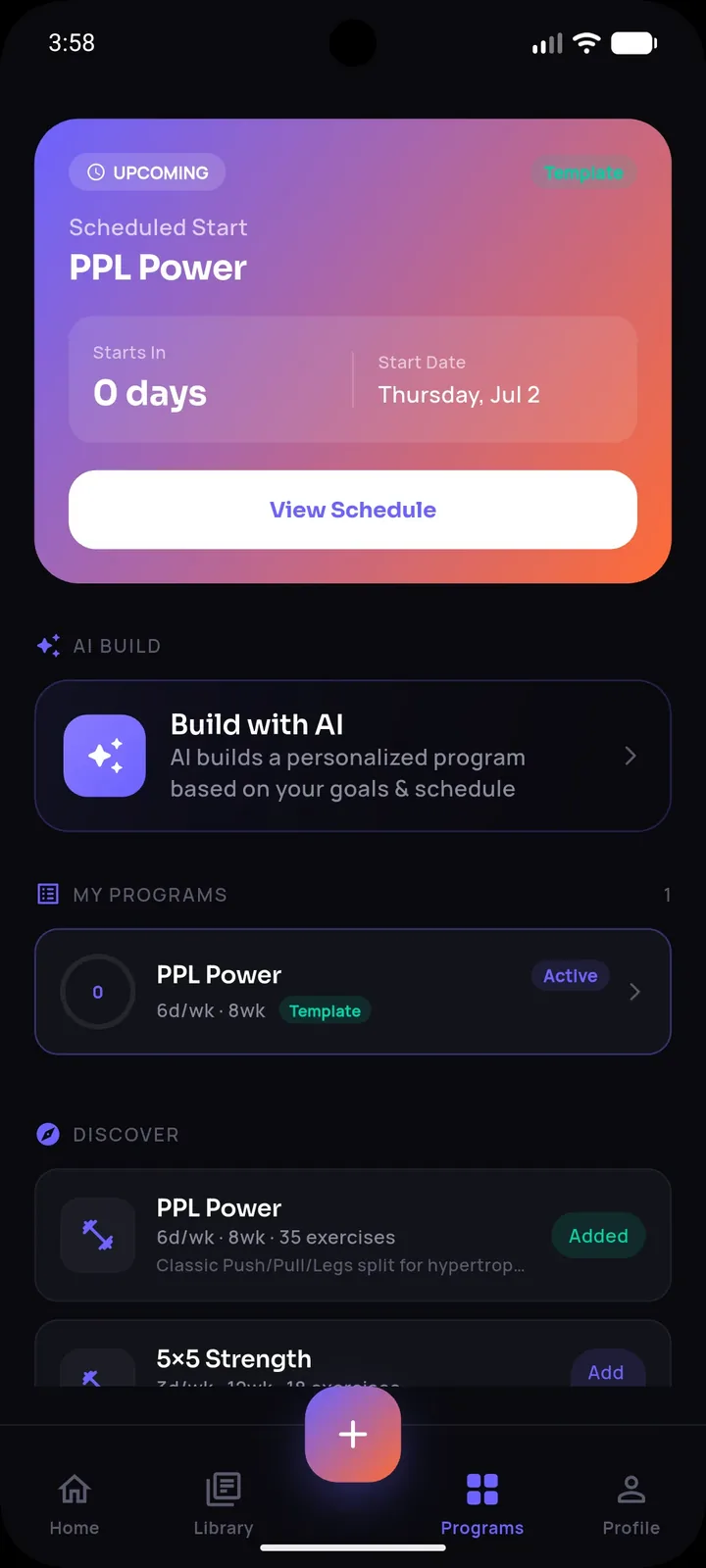
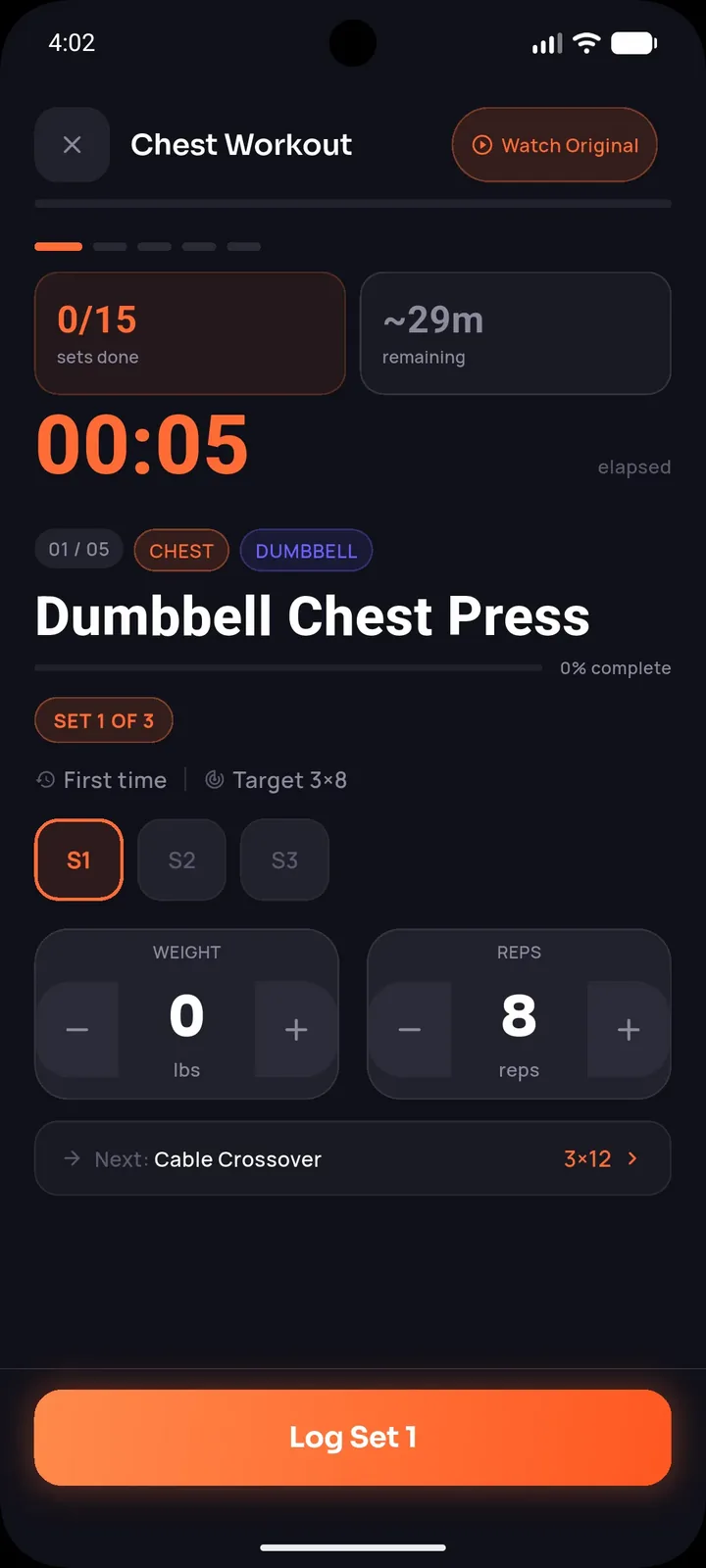
Busy people don't need more motivation — they need less friction between deciding to train and actually starting. Every extra step (finding a workout, figuring out sets and reps, searching for a video you saved weeks ago) is a place where a busy day can talk you out of training. SetForge's Program Builder removes the "what should I do today" decision entirely by tracking your position in a pre-planned program, and Smart Gym Mode's large tap targets and automatic rest timer keep the actual session itself efficient once you've started.
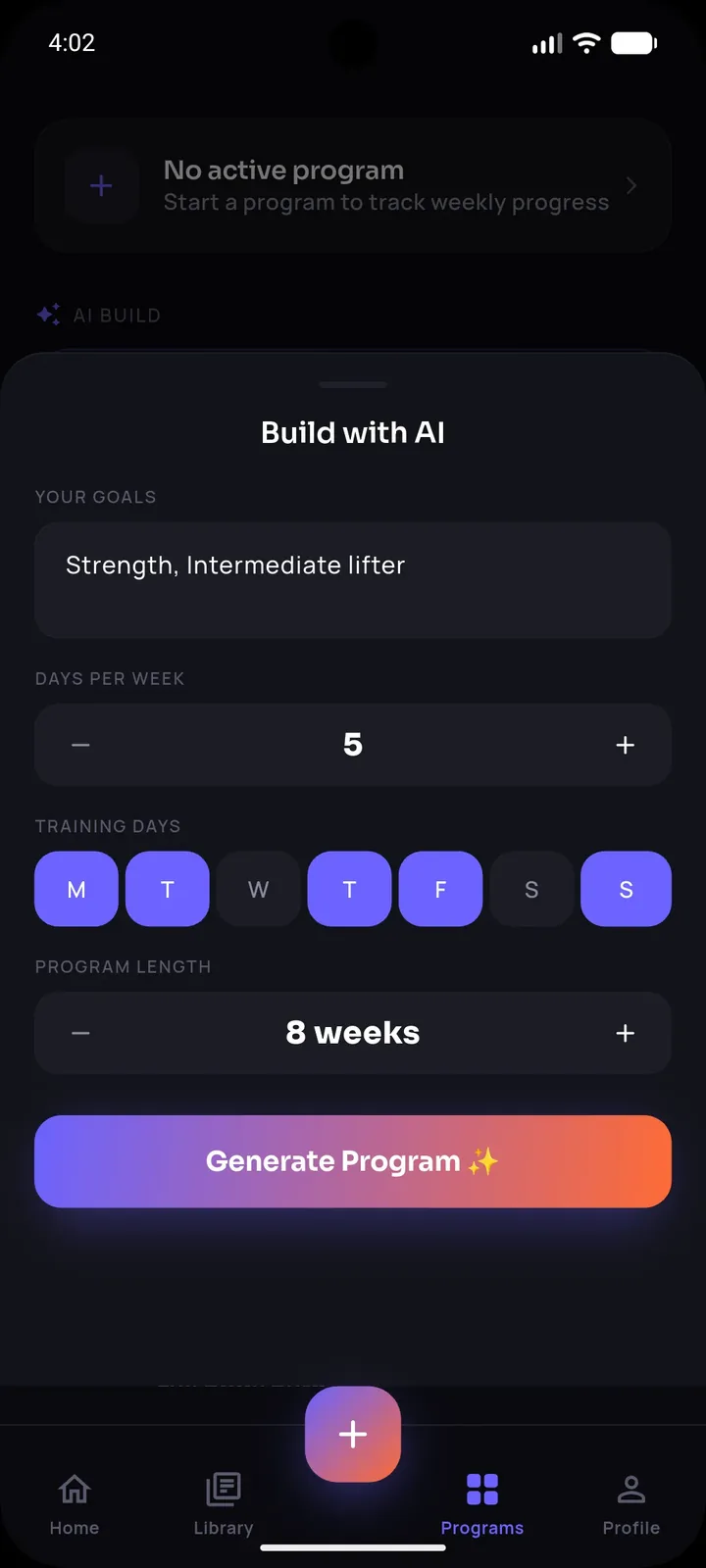
For workouts sourced from saved videos, SetForge's AI import means you're not spending precious time rewatching and transcribing a clip on a day you barely have time to train at all.
Protecting Consistency, Not Perfection
SetForge's achievements and streak tracking exist specifically to reinforce this mindset — a visible record of consistency that values showing up regularly over any single "perfect" session. A short 15-minute workout that keeps a streak alive matters more, long-term, than an all-or-nothing standard that leads to giving up after one missed week.
A Realistic Busy-Week Framework
- Monday: Full planned session, if the schedule allows.
- Wednesday: Compressed version if the week gets tighter — top 2-3 exercises only.
- Friday or weekend: Minimum viable session if the week has been genuinely overwhelming — even 10-15 minutes counts.
Frequently Asked Questions
Is a 15-minute workout actually worth doing?
Yes — consistency over time matters more than any single session's length, and a short workout keeps the habit alive on days a full session isn't realistic.
How do I decide what to cut when I only have limited time?
Prioritize your compound movements first — they deliver the most training stimulus per minute spent, and isolation work is the more reasonable thing to cut on a tight day.
Does SetForge help with staying consistent during busy periods?
Its Program Builder removes daily decision-making by tracking your position in a pre-planned program, and streak/achievement tracking reinforces consistency over any single session's perfection.
What should I do if I miss an entire week of training?
Simply resume at your next planned session rather than trying to "make up" for the missed week — consistency going forward matters more than compensating for the past.
Is it better to train less often but fully, or briefly but more often, during busy periods?
Either can work — the right choice depends on which is more sustainable for your specific schedule; the key principle is having a pre-planned option for both scenarios.
The Bottom Line
Staying consistent during genuinely busy periods isn't about finding more time — it's about having pre-planned, scaled-down options so a packed schedule doesn't automatically mean skipping entirely. Reduce the friction between deciding to train and starting, and protect the habit with a realistic minimum rather than an all-or-nothing standard.