Discussions about AI and fitness tend to swing between two extremes — either AI is going to replace human coaches entirely, or it's dismissed as a gimmick that can't understand real training. The more accurate picture is in between: AI is genuinely changing specific parts of how people train, while leaving other parts firmly in human hands.
Where AI Has Made a Real, Practical Difference
- Converting content into structure — extracting exercises, sets, reps, and rest from a workout video automatically, removing what used to be a tedious manual transcription process
- Pattern recognition across training history — noticing trends (a stalling lift, an imbalanced muscle group) across weeks or months of logged data faster than manual review would
- Instant, contextual answers — answering specific training questions grounded in your actual logged history, available immediately rather than requiring a scheduled conversation
Where Human Coaches Remain Essential
- Real-time form correction — watching your actual movement and adjusting cues in the moment
- Complex injury or medical situations — anything requiring professional medical judgment
- The accountability of a real relationship — some people are simply more consistent because a person they respect is checking in on them
AI augments the data and planning side of training; it doesn't replace the physical, relational side that a human coach provides.
Stop losing workouts in your camera roll.
SetForge turns saved Instagram & TikTok workout videos into structured, trackable training programs — automatically.
How SetForge Applies AI to Two Specific Problems
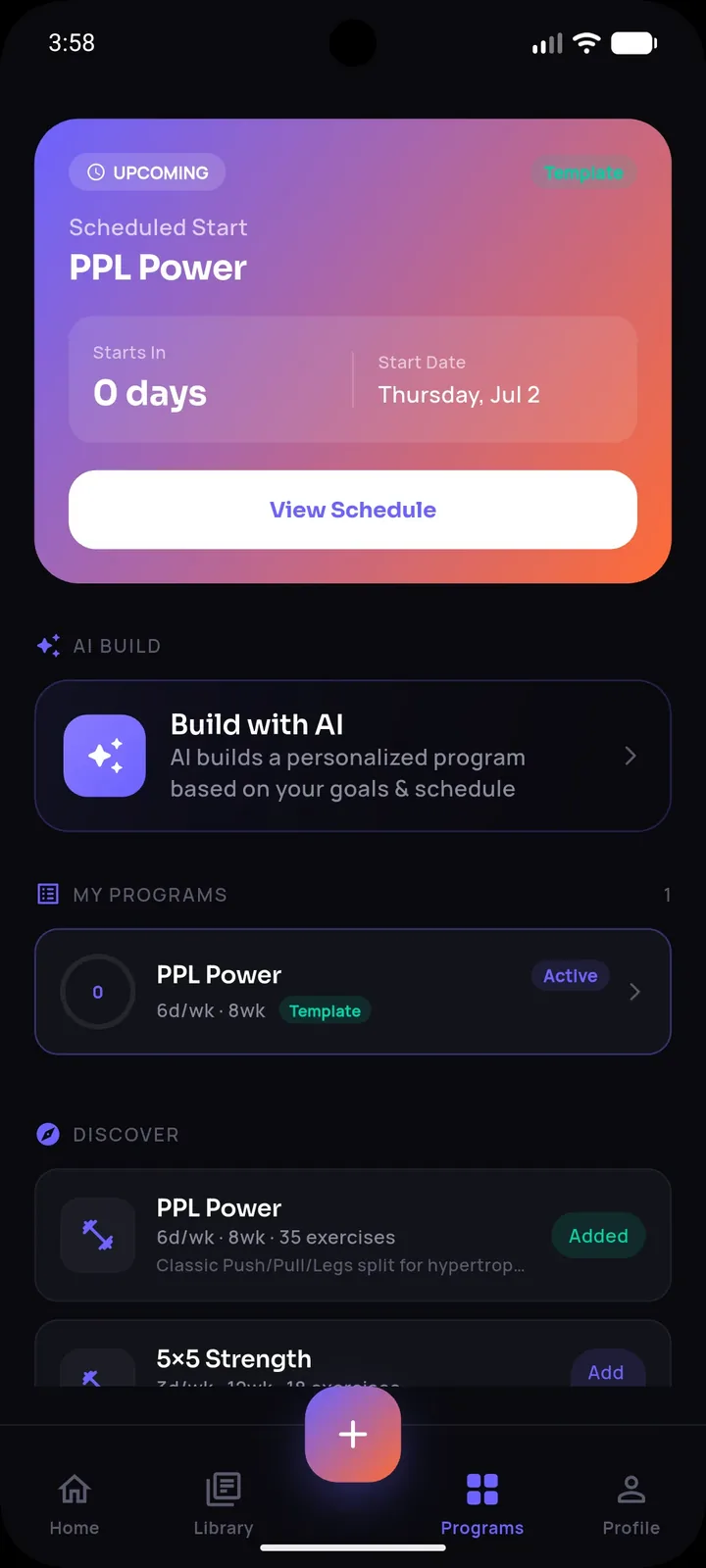
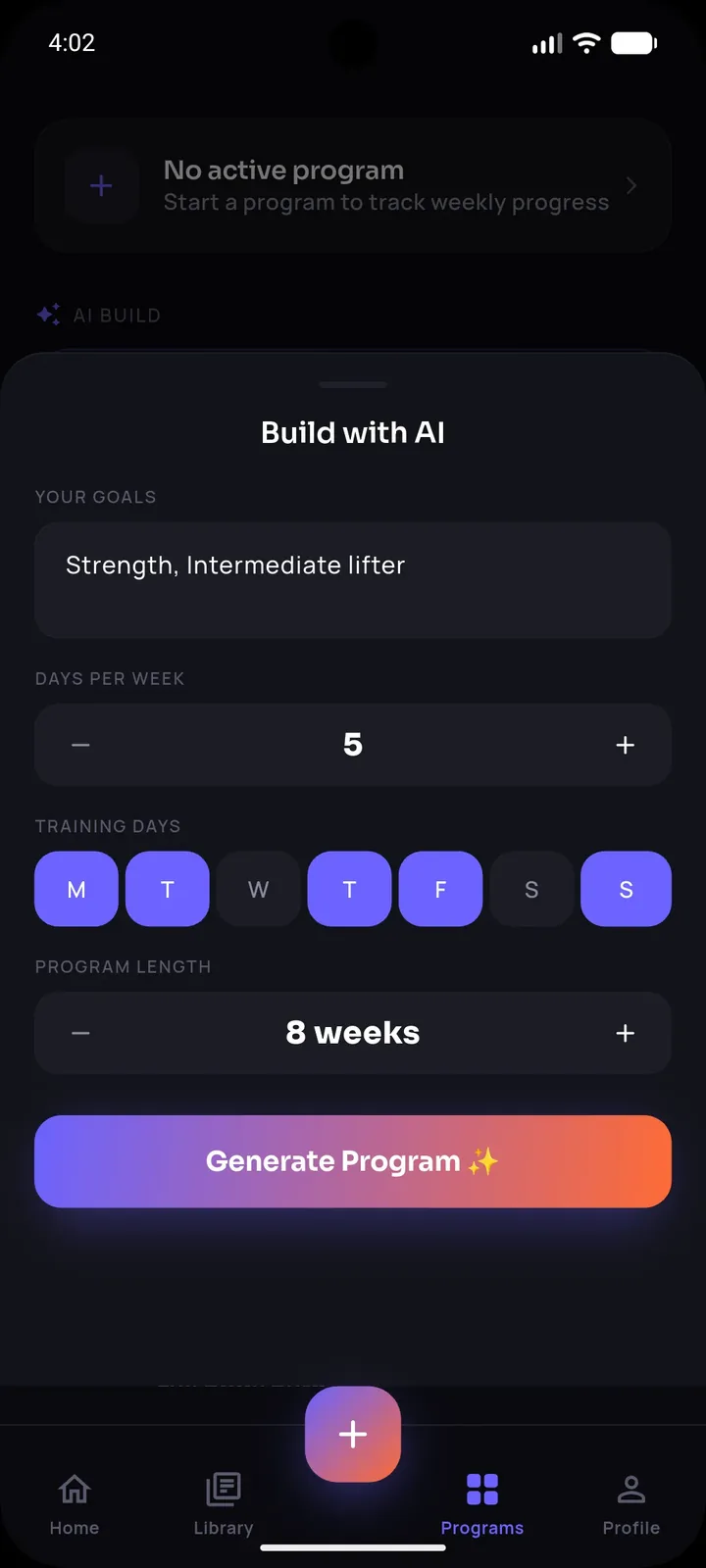
SetForge uses AI in two concrete, practical ways rather than as a vague buzzword. First, its import feature extracts exercises, sets, reps, and rest periods automatically from a shared Instagram or TikTok workout video — turning unstructured short-form content into a structured, trackable workout. Second, its AI Coach uses your full training history to answer questions and give recommendations with actual reasoning attached, grounded in your logged data rather than generic advice. Neither of these claims to replace what a real coach does with hands-on form correction or injury management — they solve the specific problems of content organization and data-driven guidance.
What This Means Practically for Someone Training Today
For most people, this means the tedious parts of managing your own training — transcribing videos, remembering past performance, spotting patterns in months of data — can be handled automatically, freeing up mental effort for the parts that actually require a human: showing up, pushing effort, and seeking professional help for anything involving pain or injury.
A Realistic Expectation for the Next Few Years
AI in fitness apps will likely keep improving at data-driven tasks — pattern recognition, personalized recommendations, content extraction — while remaining a poor substitute for physical, in-person coaching. The realistic future isn't "AI replaces coaches," it's "AI handles the data and organizational overhead, freeing human coaching to focus on what only humans can do."
Frequently Asked Questions
Will AI coaching apps eventually replace personal trainers?
Unlikely for the parts of coaching that require physical presence — real-time form correction and hands-on guidance are difficult for AI to replicate, though AI can meaningfully support the data and planning side of training.
What's the most practical current use of AI in a fitness app?
Converting unstructured content — like a workout video — into structured, trackable data automatically, which used to require tedious manual work.
Does SetForge's AI Coach replace the need for a personal trainer?
It's designed to complement your training with data-driven recommendations and instant answers, not to replace professional guidance for form correction or injury management.
Can AI actually notice patterns in my training that I'd miss myself?
Yes — reviewing weeks or months of logged data for trends like a stalling lift or muscle group imbalance is something AI can do quickly and consistently across a large history.
Is AI-based training guidance accurate if I haven't logged much history yet?
It becomes more useful and specific the more training history you build up, though it still provides value from early on based on whatever data exists.
The Bottom Line
AI is genuinely reshaping fitness — not by replacing human coaches, but by automating the tedious, data-heavy parts of training that used to eat up time and effort. Used for what it's good at (content extraction, pattern recognition, instant contextual guidance), AI makes training more efficient without pretending to replace what a real coach provides in person.